
Top Reads: June 2026
The enhanced self, Indigenous voices and the American dream.


Hello, readers! It’s been an abnormally hectic time for an allegedly quiet summer. Glad this whole newsletter thing is monthly. For those in the US, may these reads entertain you on the long weekend!
1. The Cult of the Enhanced Self
Derek Thompson | 17 minutes
The pursuit of a quantified self can be a double-edged sword.
“The traditional arrangement, people go to the office, where they focus on being productive, and then go home and relax. But today, fitness and health fixations are colonizing leisure at the same time that our wearable devices gather, sort, and grade the data that our bodies produce. Over time, this trains people to approach their downtime with the very same productivity mindset that they were supposed to leave at the office.”
2. Body Language
Terry Godier | 7 minutes
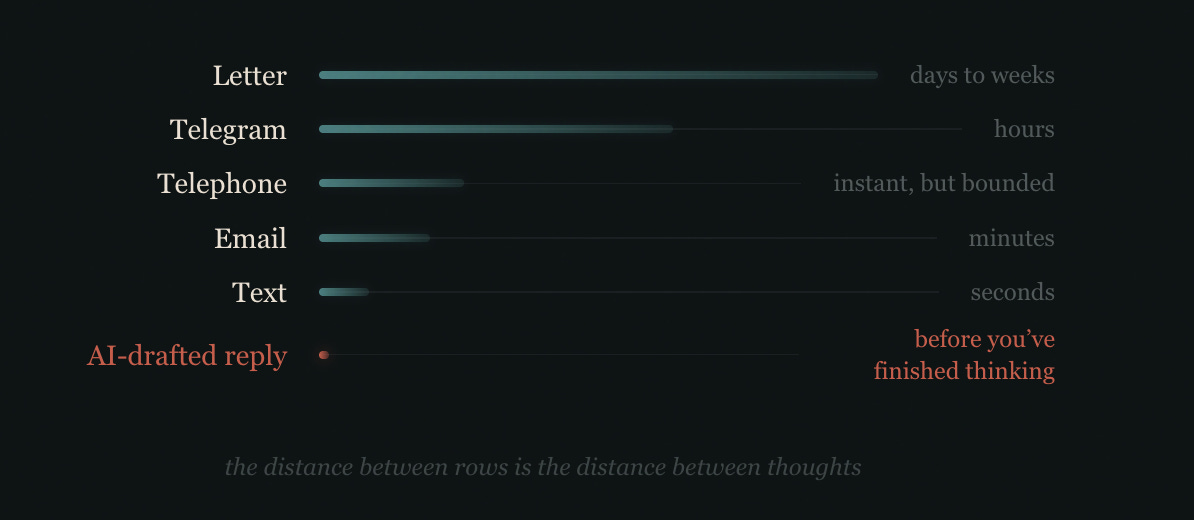
As communication changes, remember to be human. Consider a live conversation, a hand written note, or typing out your own first draft.
“You’re here with me now. Your eyes are moving left to right reading what I’ve written. You are receiving these words with your body, the same body that has been in the loop for 300,000 years. That side of the conversation isn’t going anywhere. You will always read with your eyes. You will always hear with your ears. The body, on the receiving end, remains. It’s the other side that’s disappearing. The sending side. The side where someone thinks a thought, feels its weight, and chooses the words themselves.”
3. No, Artificial Intelligence Is Not Conscious
The Atlantic | 32 minutes
One of my favorite authors shares thought experiments on the alleged sentience of AI chatbots. At least for now, these agents are powerful tools, with behavioral scientists working hard to humanize them.
“So, given that Claude is not conscious, what are we to make of Claude’s constitution? Perhaps the most fruitful way to think about it is as an 84-page character sheet for a role-playing game. LLMs can generate dialogue for Julius Caesar because many books about him exist in the training data those models used. Claude’s constitution serves a similar role for delineating the helpful-chatbot character that customers interact with when they’re using Anthropic’s products.”
4. Māori Text-to-Speech Model Spurns Big Tech’s Values
IEEE | 4 minutes
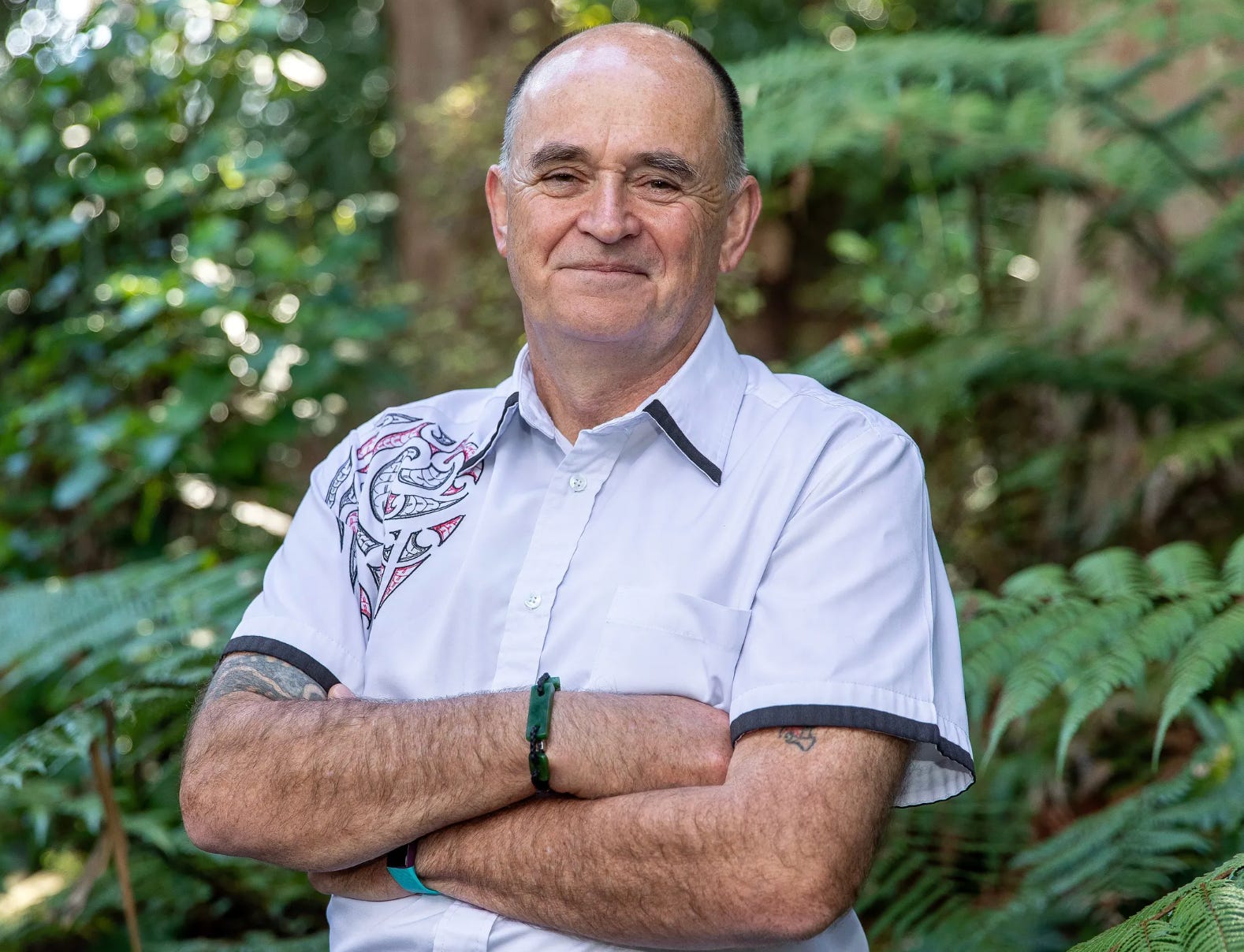
As a product builder working in voice AI, it’s amazing to see this Indigenous-led model development to create and preserve native languages.
“Motivated by this need for “sovereign digital systems,” as Keegan calls it, he and Kingsley Eng, Keegan’s master’s student at the time, set out to develop a high-fidelity synthetic voice—a text-to-speech system, in other words—for a specific dialect of te reo Māori. Every technical decision Keegan and Eng made along the way was shaped by a foundational constraint typically ignored by the AI sector—that this synthetic voice, and everything used to build it, must remain owned by the people who speak that dialect. What they produced, they hope, offers a replicable blueprint for other minority language communities around the world.”
5. 100 Fun Facts About the Grid
Climate Drift | 15 minutes
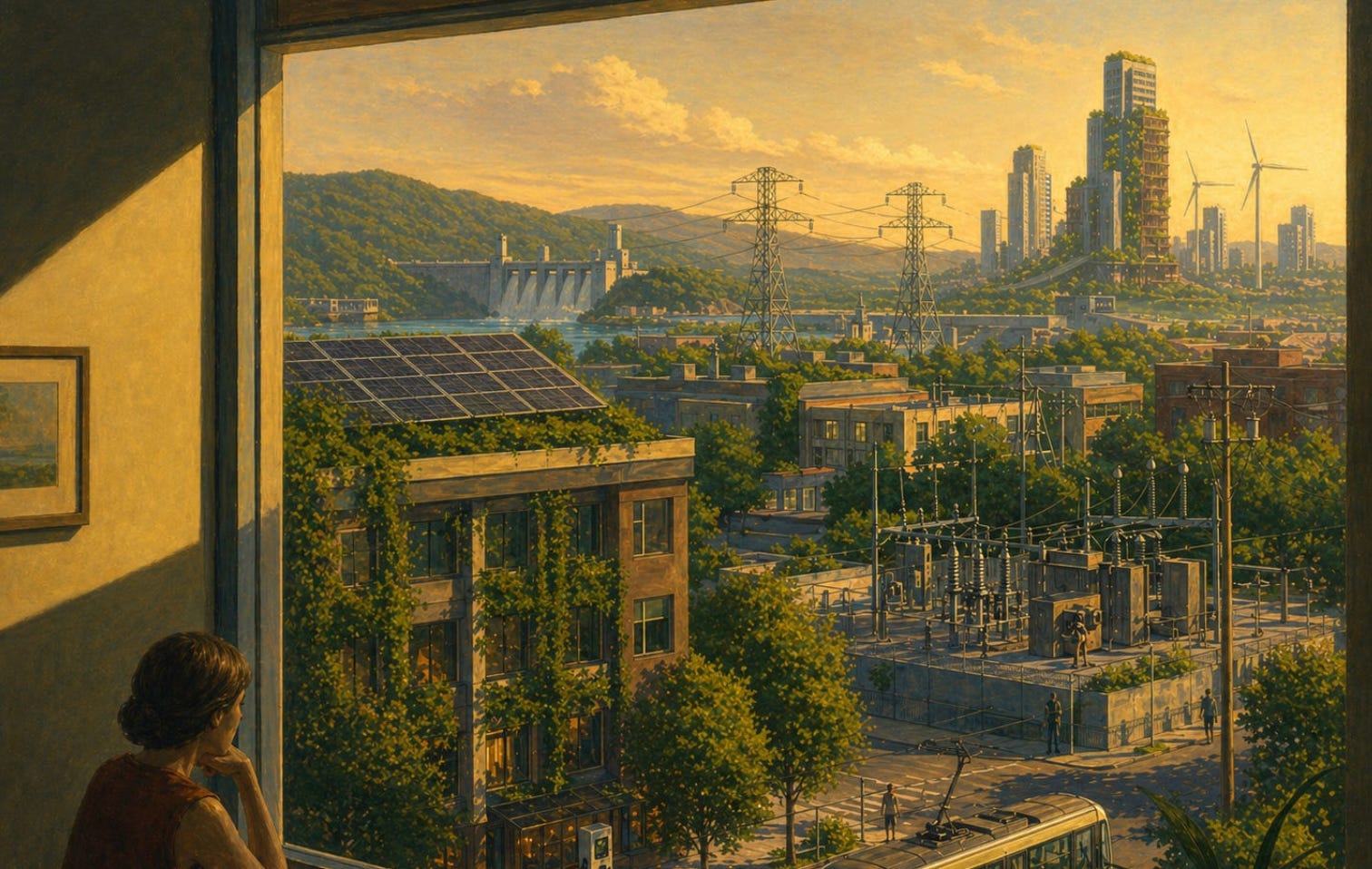
From the light bulb to modern transmission, this list shares the past, present and future of the grid.
“The number-one cause of blackouts in the world’s most advanced economy is the combination of overgrown vegetation, storms, and squirrels. Squirrels have shut down the NASDAQ twice.”
6. The American Dream is to leave
Your Brain on Money | 6 minutes
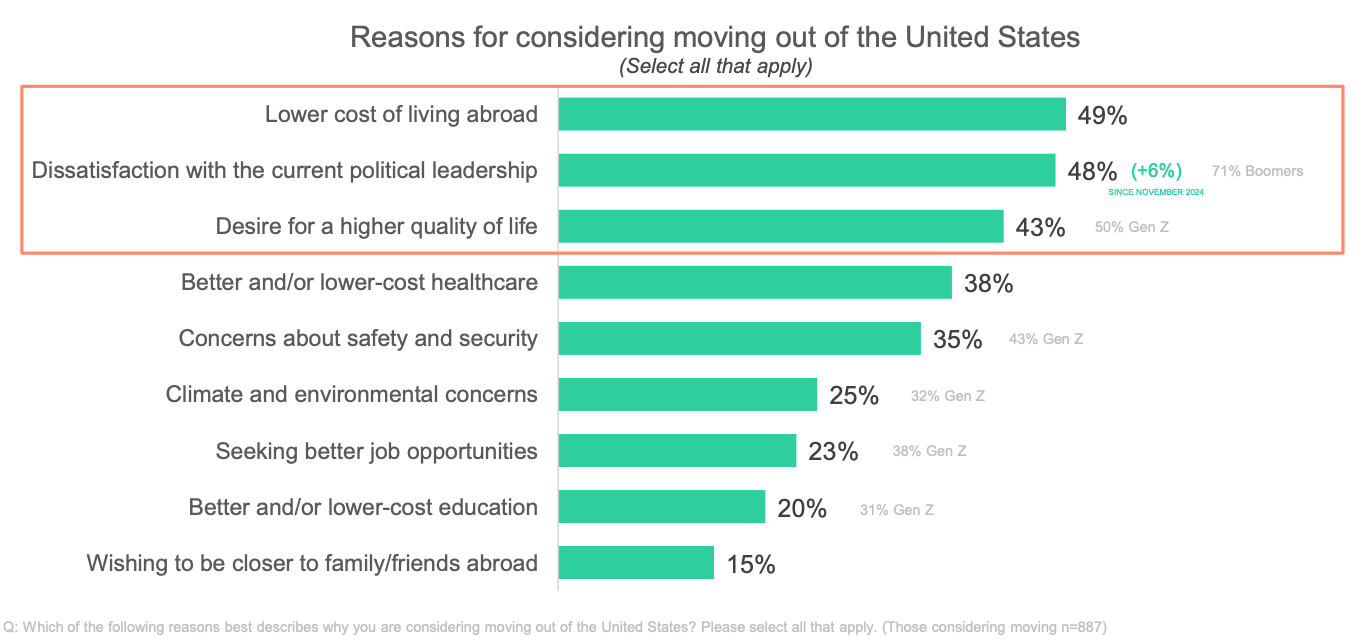
Happy Birthday, America! For some, it’s also goodbye.
“Many young people are questioning whether the definition of a good life means having a lot of money, and finding new ways to discover contentment outside of making money and consumerism. For some, that means going to Europe.”
7. Why so many Americans moved to the middle of nowhere
The Hustle | 6 minutes
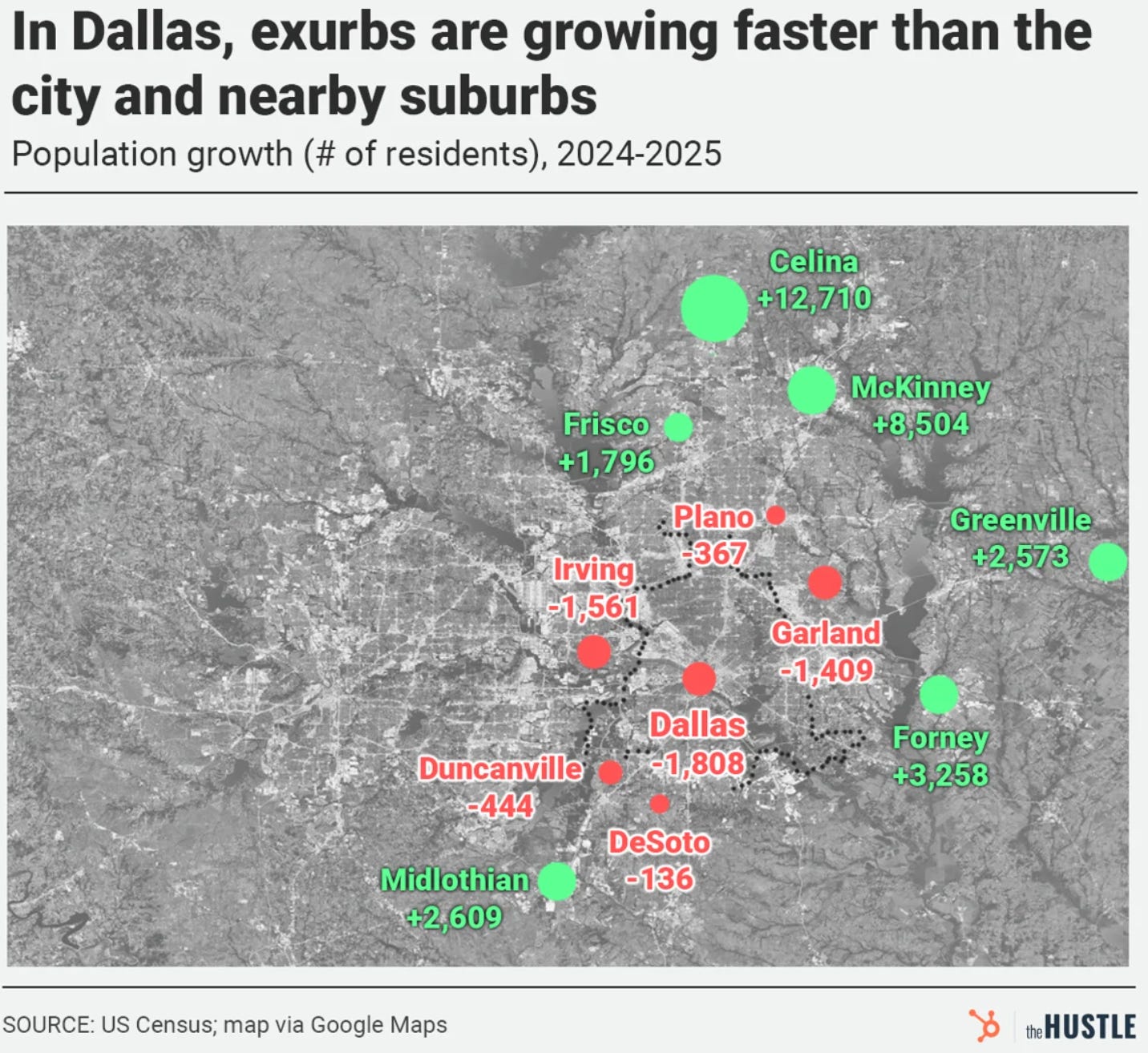
The pandemic created a new type of American sprawl.
“Many exurbs have master-planned communities featuring multiple pools, walking trails, soccer fields, and fitness centers, giving them the spirit of a one-minute city. There might not be a better example for portraying all these shifts than Dallas. The city lost population from 2024 to 2025 and saw modest growth going back to 2020. The same was true with Dallas’s suburbs. But its exurbs, with more bang for the buck and open space, exploded in population, both from Texans seeking a change and out-of-state newcomers moving in.”
8. The Plan To Collect and Save the DNA of Everything on the Endangered Species List
Time | 5 minutes
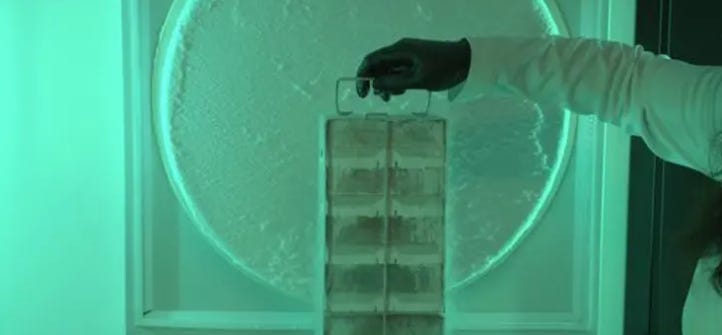
This seed bank for endangered species is both contentious and uncertain. Habitat protection is essential regardless.
“Colossal Biosciences—the Dallas-based company that last year de-extincted the dire wolf and aims to bring back more lost beasts including the dodo, the Tasmanian tiger, and the woolly mammoth—announced that it is partnering with the U.S. Fish and Wildlife Service to collect and freeze cell and tissue samples of every species on the list. The goal is to establish something of a library of the species’ genomes in case they ever have to be de-extincted or, in the alternative, if their populations dwindle so far that more heartiness or genetic variability needs to be gene-edited into the survivors.”
9. What exactly are the Savannah Bananas becoming?
The Guardian | 5 minutes
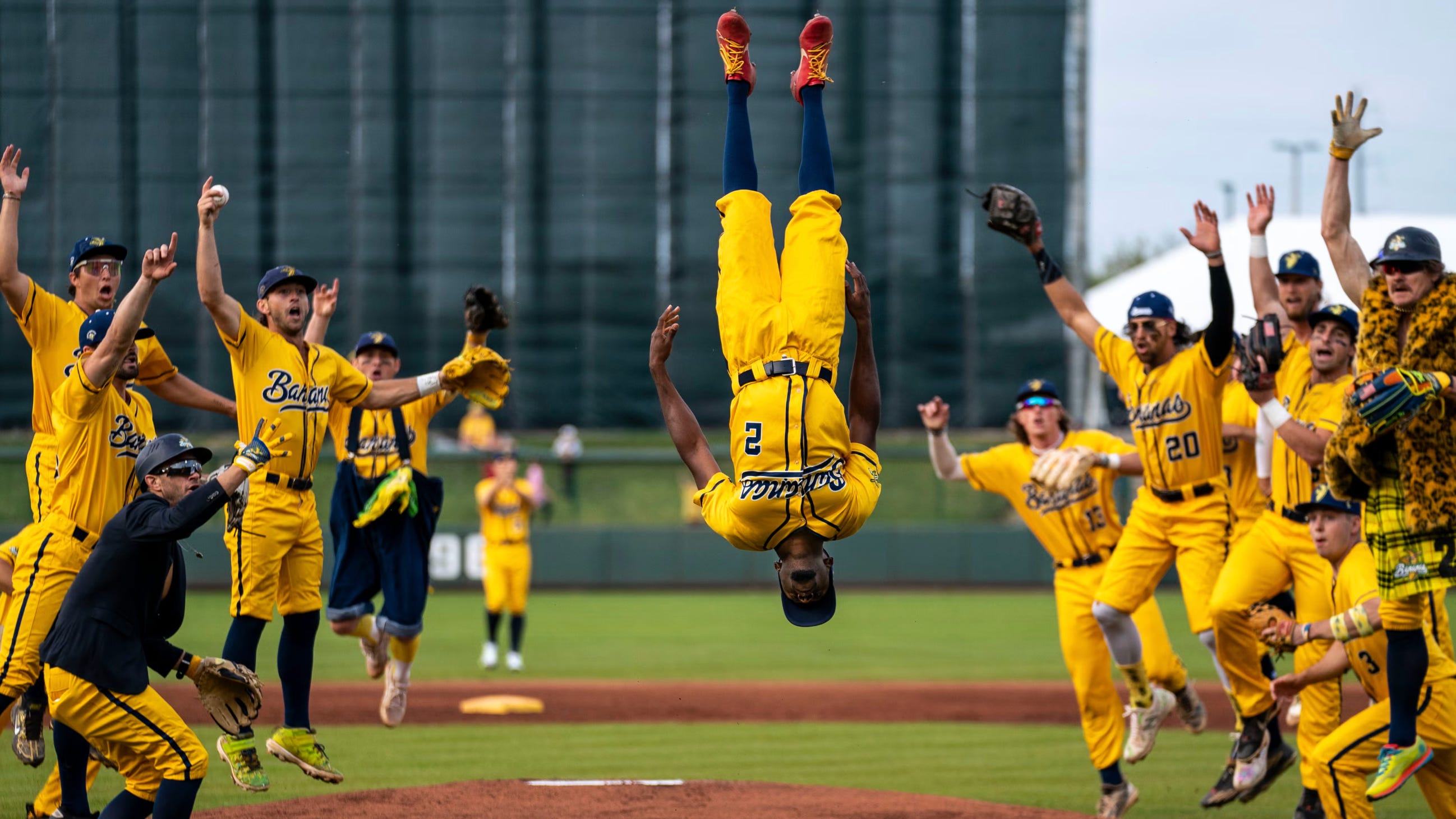
The steady growth of silly, family-friendly minor league baseball is one of the more interesting trends in US sports.
“When asked, most fans outside the ballpark answered with versions of ‘I’m going to the Savannah Bananas game tonight.’ But they were actually on their way to see the Firefighters take on the Indianapolis Clowns, two of the six full-time, professional bananaball teams touring the US. While the Firefighters and Clowns faced off in Richmond, the Party Animals were simultaneously playing the Loco Beach Coconuts in Las Vegas. Elsewhere, the Bananas drew more than 100,000 fans in College Station, Texas, against the Texas Tailgaters. What was once a pair of barnstorming exhibition teams has become a small but growing league.”
10. The Mars Delusion
Noema Magazine | 45 minutes
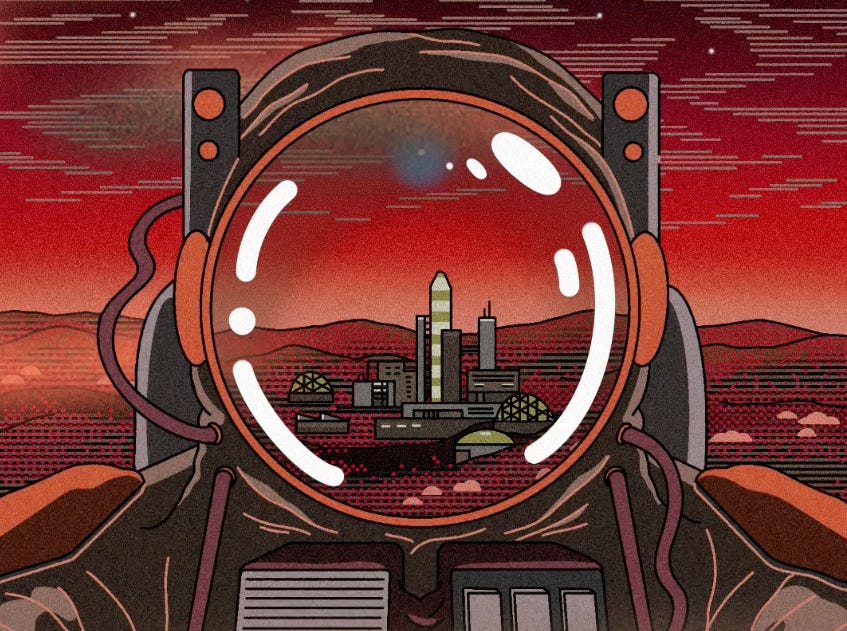
This long read has audio available! Mars kinda sucks, and human ambition looks more like hubris when space probes simplify exploration and we could focus on protecting our own planet.
“Barring some unforeseeable evolutions in fundamental human biology, living on Mars would be a totally hermetic existence, confined to a landscape more Hades than Elysium.”
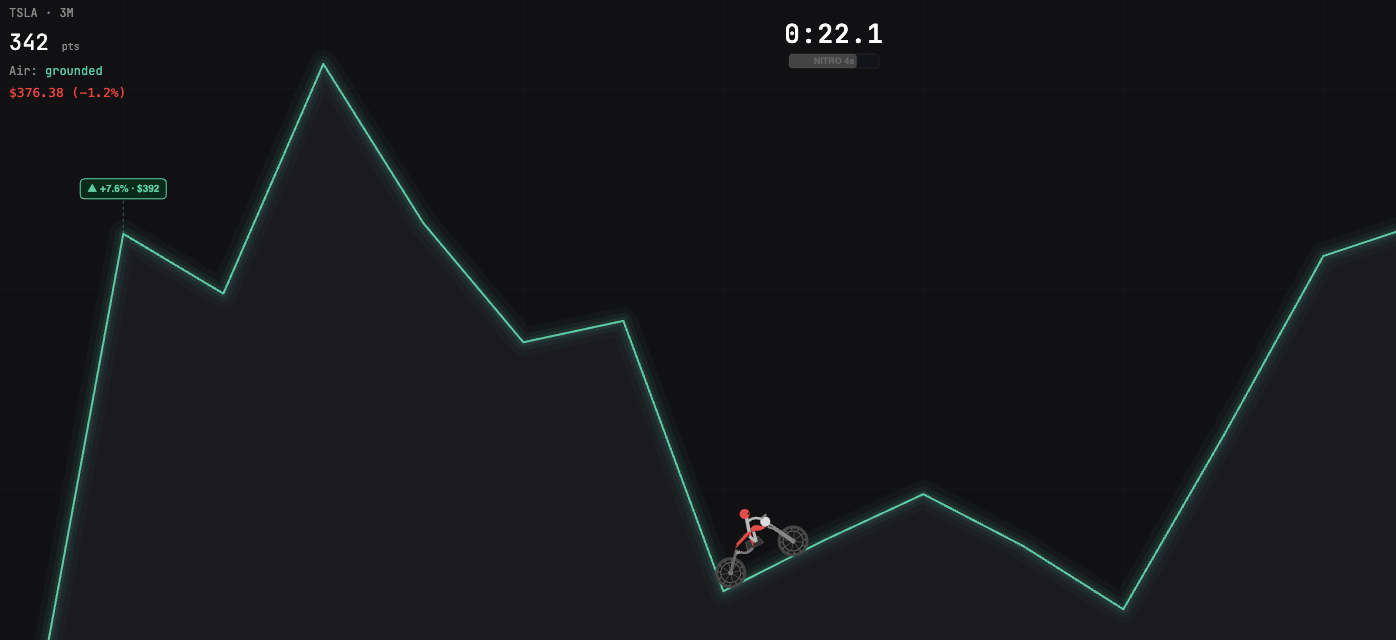
Bonus: Stonk Rider
A modern spin on a classic motorbike web game. Ride any stock chart.
The World Processor is free, but pizza sure isn’t! If you like this issue, buy me a slice.
Nerd Notes
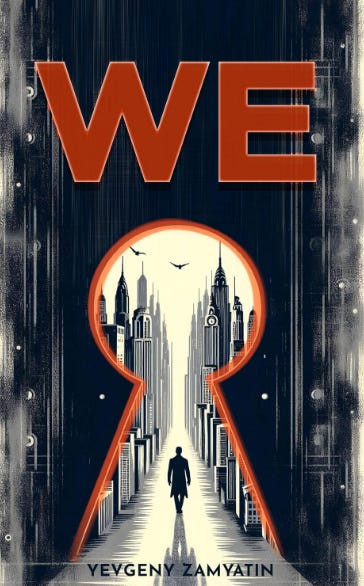
We by Yevgeny Zamaytin is a classic dystopia from Soviet Russia. A forerunner of the genre, this novel inspired 1984, Brave New World and countless contemporary authors.
‘Til next month,
Garrett